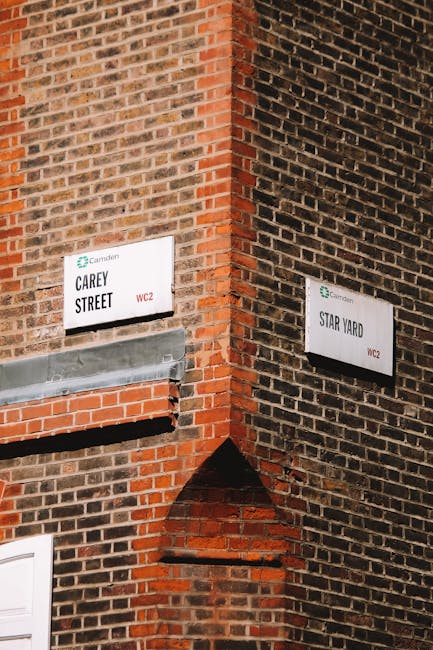
Camden Council rules for bulky rubbish disposal Central London: a practical guide for households, flats and businesses
If you are trying to figure out Camden Council rules for bulky rubbish disposal Central London, you are probably dealing with one of those annoying, slightly awkward jobs that never feels simple. A sofa in the hallway, a broken wardrobe in a shared stairwell, a mattress that has been leaning against the wall for a week too long - it all adds up quickly. And in Camden, where space is tight and access can be tricky, getting bulky waste out the right way matters more than people think.
This guide explains the basics in plain English: what bulky rubbish usually means, how disposal works in Camden and the surrounding central London area, what to watch out for, and how to choose the most sensible option for your situation. You will also find a step-by-step approach, common mistakes, and a practical checklist you can use before you book anything or drag a heavy item down three flights of stairs.
Truth be told, bulky waste is one of those jobs that looks easy until you are standing in a narrow Camden staircase at 7:30 in the morning wondering how on earth the old wardrobe got in there in the first place.
Table of Contents
- Why Camden Council rules for bulky rubbish disposal Central London Matters
- How Camden Council rules for bulky rubbish disposal Central London Works
- Key Benefits and Practical Advantages
- Who This Is For and When It Makes Sense
- Step-by-Step Guidance
- Expert Tips for Better Results
- Common Mistakes to Avoid
- Tools, Resources and Recommendations
- Law, Compliance, Standards, or Best Practice
- Options, Methods, or Comparison Table
- Case Study or Real-World Example
- Practical Checklist
- Conclusion
- Frequently Asked Questions
Why Camden Council rules for bulky rubbish disposal Central London Matters
Bulky rubbish is not the same as everyday household waste. It usually covers large items that will not fit in normal bins or that need special handling because of their size, weight, shape, or material. Think furniture, white goods, mattresses, shelving, office desks, broken exercise equipment, or large bits of dismantled household junk. In a dense area like Camden, there are extra reasons to get this right.
First, space is limited. A bulky item left in a hallway, front garden, basement landing, or by a communal bin store can quickly become a nuisance. It can block access, create fire safety issues, attract complaints from neighbours, and make a property look neglected. Second, central London access is rarely straightforward. Tight streets, controlled parking, permit rules, timed loading, and shared entrances all affect how waste can be removed safely. Third, disposing of bulky items responsibly is part of keeping the local environment tidy and reducing avoidable fly-tipping.
There is also the simple reality that not all bulky waste is the same. A wooden table and a broken fridge require different handling. A sofa from a flat on the fifth floor is a very different problem from a few chairs left in a front driveway. Camden Council rules for bulky rubbish disposal Central London matter because they help people choose the right route instead of guessing and hoping for the best. Hope is not a plan, as anyone who has wrestled a mattress through a Victorian stairwell will tell you.
For residents and landlords in central London, following the correct disposal route can save time, avoid enforcement trouble, and prevent unnecessary stress. It also helps ensure that reusable or recyclable items are handled sensibly rather than being dumped carelessly. That is good for the street, good for the building, and frankly good for your sanity too.
How Camden Council rules for bulky rubbish disposal Central London Works
The exact process can vary depending on the type of item, the collection method, and whether you are dealing with a private flat, a house, an office, or a managed property. But the logic is usually straightforward: identify the item, check whether it can be accepted, choose a removal method, and make sure it is placed out for collection in the correct way.
Most bulky waste arrangements fall into one of a few broad categories. Some items can be booked for council-led collection if the local authority offers that service and the item qualifies. Others are better handled through a private waste clearance or rubbish removal provider, especially if timing is tight, access is difficult, or there are several items to shift at once. Then there are items that need particular caution, such as electricals, sharp objects, or anything that may contain fluids, hazardous components, or contamination.
In central London, practical access often decides everything. A collection team may need clear instructions for gated entrances, concierge desks, permit restrictions, parking limits, lift access, and loading bay windows. If you skip those details, the job can unravel fast. To be fair, this is where many people get caught out - not by the waste itself, but by the logistics around it.
If you are comparing service routes, it helps to think about three questions:
- How many items do I need removed?
- Can the items be safely carried from where they are now?
- Do I need a same-day or scheduled collection?
If the answer includes awkward access, multiple flights of stairs, or a deadline such as a tenancy end date, the most convenient route may be a dedicated clearance service rather than waiting around for a slower option. For broader removal needs, some readers also look at rubbish removal, waste clearance, or rubbish collection depending on the volume and the type of waste involved.
One more thing. Bulky disposal is often easiest when you sort items before collection day. Separate reusable furniture from damaged junk, unplug appliances, remove loose bits where possible, and keep pathways clear. A little prep saves a lot of back-and-forth.
Key Benefits and Practical Advantages
When bulky rubbish is handled properly, the benefits are obvious, but they are worth spelling out because the upside is not just "getting rid of stuff". Done well, the process can make the whole property easier to live in and manage.
- Less clutter: Rooms, hallways, basements, and storage areas become usable again.
- Safer access: Clear walkways reduce trip hazards and make it easier for residents, cleaners, and contractors to move through the property.
- Better compliance: Following the right disposal route reduces the risk of fly-tipping, blocked exits, or avoidable complaints.
- Faster turnaround: A clear plan means bulky items do not sit around for days waiting for someone to "deal with it later".
- Less stress for landlords and tenants: End-of-tenancy clearances and flat moves are simply smoother when waste is removed promptly.
- Better reuse potential: Items in decent condition can sometimes be separated for reuse rather than thrown away with everything else.
There is a hidden benefit too: a tidy property is easier to assess. When old furniture, bagged junk, and random leftovers are gone, you can see what actually needs repair, replacement, or cleaning. That sounds obvious, but in real life it makes decisions much easier.
If you are dealing with a full flat or a mixed load, services such as flat clearance, house clearance, or home clearance can be more efficient than trying to piece together several separate removals. For large furniture, a dedicated furniture disposal route can also be a good fit.
Who This Is For and When It Makes Sense
Bulky waste guidance is relevant to more people than you might expect. It is not just for households clearing out a spare room. In central London, bulky disposal comes up in all sorts of everyday situations.
Homeowners and tenants often need it when replacing a sofa, getting rid of old wardrobes, or clearing out accumulated items before a move. Landlords and letting agents need it after a tenancy ends, especially where furniture, broken household items, or bags of mixed waste have been left behind. Office managers use it when desks, chairs, filing units, or storage items need to be removed from a workspace. And building managers deal with it when communal areas, storage cupboards, or basement rooms need clearing without disrupting residents.
It also makes sense for people who are renovating, downsizing, or simply trying to reclaim a room that has turned into a catch-all. You know the one. The spare room where the ironing board lives, the broken lamp nobody has fixed, three bags of cables, and a bike you have not ridden since before the last tube strike. We have all seen a version of it.
Bulky disposal is especially relevant if:
- the item is too large for the normal bin system;
- the property has no easy lift access;
- the item is awkward to carry alone;
- you need the waste gone on a fixed date;
- you want to avoid leaving items outside and risking complaints.
If you are in a workplace rather than a home, commercial services like office clearance or business waste are often more appropriate than a general household clean-out. And if the job has grown legs - old stock, broken shelves, and a couple of suspiciously heavy boxes - waste removal can be the simpler route.
Step-by-Step Guidance
Here is a practical way to handle bulky rubbish disposal without turning it into an all-day headache.
- Identify each item clearly. Write down what needs to go. A sofa is not the same as a sofa bed, and a fridge is not the same as a cupboard. Mixed loads take a bit more planning.
- Check condition and category. Decide whether the item is reusable, recyclable, or simply broken beyond repair. This helps you choose the right removal route.
- Measure access points. Take a quick look at doorways, stairwells, lifts, fire exits, and any narrow corners. In Camden, access is often the real issue, not the item itself.
- Group items by location. Keep everything in one place if you can. Hallway, front room, basement, garage - whatever works. Less wandering around equals less delay.
- Choose the collection method. Depending on the job, that might mean council-led disposal, private rubbish removal, or a full clearance service.
- Prepare the area. Move fragile items, protect flooring if needed, and keep a route clear. Little things matter here.
- Confirm timing and access instructions. Share entry codes, parking notes, and collection windows. If a crew arrives and cannot get in, everyone loses time.
- Remove small loose waste first. Loose screws, pillows, cushions, and detached parts should be gathered so they do not create extra clutter.
- Keep proof of disposal if needed. For landlords or businesses, it is wise to keep a record of what was removed and when.
That is the skeleton of it. The actual day tends to move faster when you have already done the small preparation work.
If you are also dealing with mixed junk, rubbish clearance or waste disposal may fit better than a one-off collection for a single item. For garages, sheds, or storage spaces that have become a little embarrassing, garage clearance can be a practical option.
Expert Tips for Better Results
In our experience, the smoothest bulky waste jobs are the ones where the client thinks like a logistics planner for ten minutes before the removal team arrives. It does not need to be complicated. Just useful.
Keep the access route boringly simple
Move shoes, prams, recycling bags, and random boxes out of the path. If a removal team has to weave through a cluttered hall, the risk of knocks, delays, and grumpy neighbours goes up. Boring is good here.
Take photos before collection
A few quick photos help if you need to confirm what was removed, especially for rented properties or business premises. Nothing fancy. Just a record.
Separate reusable from non-reusable items
If a chair, table, or set of shelves is still usable, keep it apart from damaged waste. Even if you are not donating it, this makes disposal decisions easier and can reduce avoidable waste.
Plan around building rules
Some blocks have strict collection windows, concierge procedures, or noise restrictions. A five-minute check saves a lot of awkwardness later. You really do not want to discover a loading restriction after the lift has already been booked.
Think about the end destination, not just the pickup
Choosing a provider or method is not only about whether the item leaves your property. It is also about how responsibly it is handled afterwards. If you care about recycling, reuse, or proper treatment of electricals, ask clear questions before booking.
A small but useful rule: if the item is awkward, heavy, and in a property with limited access, do not leave it until the last minute. That is where jobs go sideways. Fast.
For bigger mixed loads, sometimes the smartest move is to combine item removal with a broader service like waste collection or a more general waste removal booking, rather than trying to solve one item at a time.
Common Mistakes to Avoid
Most bulky rubbish problems are caused by a handful of avoidable errors. The good news is that once you know them, they are easy enough to sidestep.
- Leaving items on the street too early: This can create complaints, attract extra waste, and may be treated as improper disposal.
- Assuming every large item is accepted the same way: Mattresses, fridges, desks, and sofas can each need different handling.
- Not checking access: If a collection team cannot get to the item, the plan falls apart.
- Forgetting about parking and loading restrictions: Central London is not forgiving when it comes to stopping and loading.
- Mixing bulky items with hazardous waste: Sharp objects, chemicals, batteries, and certain electrical parts should be separated and handled properly.
- Underestimating the size of the job: One wardrobe has a way of becoming three wardrobes, two drawers, and a bag of mystery cables.
- Booking the wrong service type: A simple pickup is not always enough for a full property clearance.
If you are clearing a property in stages, think ahead. Doing a small first pass now can help you spot items that need special handling later. And if the pile is growing instead of shrinking, that is your sign to stop improvising.
Tools, Resources and Recommendations
You do not need a complicated toolkit to deal with bulky waste, but a few basic items make the job safer and less frustrating.
- Measuring tape: Useful for checking whether an item will fit through doors or around corners.
- Gloves: Handy for protecting your hands from splinters, dust, and sharp edges.
- Basic dolly or sack truck: Helpful for moving heavier items where access allows it.
- Bin bags or boxes: Good for loose screws, fittings, cushions, and smaller bits removed from furniture.
- Phone camera: Useful for documenting what is being cleared.
- Labels or sticky notes: Simple, but brilliant when you are sorting keep, donate, dispose, and recycle piles.
For readers with a larger job on their hands, there are also different service paths worth comparing. A full home clearance or house clearance is better for whole-property jobs. A sofa removal service is more efficient for a single awkward item. A general rubbish removal service can be ideal for mixed household waste. The trick is matching the service to the mess, not the other way around.
If your bulky waste sits inside a specific central London neighbourhood, local knowledge can also help. Areas such as Bloomsbury, Holborn, King's Cross, and Covent Garden all have their own day-to-day access quirks, from busy roads to loading complications. That local detail matters more than people expect.
Law, Compliance, Standards, or Best Practice
When dealing with bulky rubbish in Camden and central London, the safest approach is to follow the general UK principle that waste must be stored, transferred, and disposed of responsibly. Exact council arrangements can change, and local rules may differ depending on property type, item type, or collection method, so it is sensible to check current requirements before booking or placing items out.
From a practical standpoint, best practice usually means:
- keeping waste off public highways unless it is specifically ready for collection in the approved way;
- not blocking exits, communal paths, or fire routes;
- separating hazardous, electrical, or specialist waste from standard bulky items;
- using a legitimate disposal route rather than leaving items to be dumped informally;
- keeping records where needed for landlords, managing agents, or businesses.
For businesses, the standards are often stricter in practice because duty of care expectations are higher. That means being able to explain what was removed, where it went, and when it left the site. For domestic users, the key risk is usually simpler: incorrect placement, missed collection, or accidental fly-tipping if items are left out too early.
If you are unsure, it is always better to ask before the collection day rather than after. A five-minute check can save a lot of trouble. No drama, no guessing.
Options, Methods, or Comparison Table
There is no single best method for everyone. The right choice depends on speed, quantity, item type, access, and how much work you want to do yourself. Here is a simple comparison to help narrow it down.
| Method | Best for | Pros | Limitations |
|---|---|---|---|
| Council bulky collection | Limited household items with flexible timing | Simple for some residents; suitable for basic large-item disposal | May involve booking rules, item limits, or longer wait times |
| Private bulky waste removal | Fast turnaround, awkward access, mixed items | More flexible, often easier for stairs and tight streets | Usually chosen for convenience rather than delay-free certainty |
| Full clearance service | Flats, houses, offices, garages, heavy mixed loads | Handles larger jobs in one visit; good for cluttered spaces | May be more service than you need for a single item |
| Self-delivery to a disposal point | People with transport and enough time | Can work well for smaller loads | Hard in central London if you lack a vehicle or lifting help |
If you are only removing one item, a targeted service such as sofa removal may be the easiest fit. If you are clearing a whole property after a move or refurbishment, a broader service like house clearance or home clearance is often more efficient. For heavier commercial jobs, builders waste can also be relevant where renovation debris sits alongside bulky items.
Case Study or Real-World Example
Here is a typical central London scenario. A resident in a Camden flat has a broken sofa, an old chest of drawers, and a small pile of unused furniture taking up half the living room. The building has a narrow stairwell, a front door that opens onto a busy road, and only a short window for loading because the block manager is strict about access.
At first glance, it looks like a simple "just take it away" job. In reality, it needs a bit of planning. The resident measures the sofa and checks the route to the street. One drawer unit is too wide unless it is partially dismantled. A second item has loose screws, so those are bagged separately. The team is told about the timed access window and the best arrival point. On the day, the removal goes smoothly because nothing has been left to guesswork.
Now compare that with the version where nothing was prepared. Items left by the door, no clear access note, no parking consideration, and a neighbour annoyed because the hallway is blocked for an hour. Same waste. Very different outcome.
That is the real lesson behind Camden Council rules for bulky rubbish disposal Central London: the rules are not just about where the waste ends up. They are about making the process safe, practical, and manageable for everyone involved.
Practical Checklist
Use this before your bulky rubbish collection day.
- Have I listed every item that needs to go?
- Do I know whether anything is reusable, recyclable, or special waste?
- Have I checked access routes, stairwells, lifts, and door widths?
- Do I know the collection window or booking time?
- Have I sorted loose parts, screws, cushions, and attachments?
- Is the pathway clear from the item to the exit?
- Have I checked parking, loading, or entry instructions?
- Have I separated hazardous or electrical items where needed?
- Do I need photo records for a landlord, agent, or business file?
- Am I using the right service type for the size of the job?
If you can tick most of those boxes, the job will usually feel far less stressful. And yes, it is a little satisfying when a plan actually works. Rare, but lovely.
Conclusion
Bulky rubbish disposal in Camden does not need to become a drawn-out headache. Once you understand the practical side of Camden Council rules for bulky rubbish disposal Central London, you can make a sensible choice, avoid common delays, and keep your property clear without creating extra stress for yourself or your neighbours.
The main thing is to match the method to the job. One heavy item is not the same as a full flat clearance. A tidy plan beats last-minute improvising every time. Keep access in mind, sort the items properly, and choose the route that fits the space, the timing, and the level of effort you want to spend.
If you are unsure which option makes the most sense, start by looking at the size of the load and the difficulty of moving it. That usually tells you more than anything else. And once the clutter is gone, the room feels lighter - quieter, even. That is a good feeling.
Get a free quote today and see how much you can save.
Frequently Asked Questions
What counts as bulky rubbish in Camden?
Bulky rubbish usually means large household or commercial items that do not fit in normal bins or need special handling because of size, weight, or shape. Common examples include sofas, wardrobes, mattresses, tables, and large appliances.
Can I leave bulky items outside for collection?
Only if they are being placed out in the correct way for an approved collection. Leaving items on the street too early or without proper arrangement can create problems and may be treated as improper disposal.
Is bulky waste collection the same as rubbish removal?
Not exactly. Bulky waste collection often refers to larger individual items, while rubbish removal can cover mixed waste, loose junk, and larger clearances. The right choice depends on what you need removed.
What if my bulky item is too heavy to move on my own?
That is common in central London, especially in flats with stairs or tight turns. In that case, a removal or clearance service is usually the safest and least stressful option.
Do I need to dismantle furniture before disposal?
Sometimes it helps, but not always. If an item needs to be broken down to fit through a doorway or stairwell, dismantling can make the removal easier. If you are unsure, ask first rather than forcing it.
Are electrical items treated differently?
Yes, electrical items often need separate handling because they may contain components that should not be mixed with ordinary bulky waste. It is best to separate them and confirm the right disposal route.
What is the best option for a full flat clearance?
For a full flat, a clearance service is usually more practical than arranging item-by-item disposal. It is faster, easier to organise, and better suited to mixed waste and furniture.
How long does bulky rubbish disposal usually take?
That depends on the amount of waste, access conditions, and the collection method. A single item may be quick, while a full clearance with stairs or narrow access can take longer.
Can businesses use the same disposal methods as households?
Sometimes, but business waste often needs a more structured approach because of duty of care expectations and record-keeping. Office furniture, stock, and commercial junk are often best handled through a business-focused service.
What should I do if I live in a block with strict access rules?
Give the collection team clear instructions before the job starts. Mention entry codes, concierge procedures, loading windows, lift access, and any restrictions. That small bit of preparation avoids most delays.
How do I choose between council collection and private removal?
Think about timing, item size, access, and how much work you want to do yourself. If you need a flexible, quick, or more hands-on solution, private removal or clearance is often easier. If your needs are simple and the timing is not urgent, council collection may be enough.
What happens to reusable bulky items?
Reusable items may be separated from general waste where possible, depending on the service and condition of the item. If reuse matters to you, ask about it before booking so you know how the item will be handled.
Is bulky waste disposal different in central London compared with other areas?
Yes, the basic principles are similar, but central London often adds access restrictions, parking limits, and tighter building rules. That is why planning matters more here than in many other places.
If you want a smoother, faster way to deal with bulky items, it helps to choose a service that fits your property, your timetable, and the reality of central London access. Small planning now saves a big headache later, and that is usually worth a lot.